Comment

IFOR QUADRENNIAL COUNCIL PRESS RELEASE

PRESS RELEASE

INTERNATIONAL COUNCIL OF IFOR

HELD IN JUBA, SOUTH SUDAN, NOVEMBER 14-20, 2022


The quadrennial International Council of the International Fellowship for Reconciliation (IFOR) was held at the Guest House of the Episcopal Church of South Sudan (ECSS), in Juba, from November 14 to 20, 2022, alongside a Public Conference.

The International Council was preceded by a Public conference held from November 12 to 13, 2022, under the theme: "Armed Conflicts and Peaceful Transitions in Africa: Lessons from Southern Sudan and around the World". This event was attended by political, administrative and religious authorities, activists from civil society organizations in South Sudan and international organizations, and the general public. This conference pointed the fact that the African continent is today the most affected by recurrent armed conflicts with consequences that may delay the development of that part of the world. Nevertheless, amidst the ashes of violence, suffering and tears that have no colour or borders, there are more and more signs of hope for another version of Africa, "… free, prosperous and integrated into the international community, where conflicts are transformed in a non-violent manner, and where justice, social har- mony and peace reign".

As a prelude to the International Council, on the morning of November 14th, IFOR members in Africa held their first Inter-African Meeting.

The International Council (IFOR's supreme body) that followed was historic: for the first time in IFOR's more than 100 years of existence, it was held in Africa. In a hybrid format, its 60 delegates evaluated the progress made from 2018 to 2022 by its members and bodies, and appreciated the work accomplished, especially under often difficult conditions in Africa and South America. They expressed great concerns about our current context characterised by major crises and armed conflicts such as in the Great Lakes countries and the Sahel in Africa, Ukraine, etc. Faced with the many challenges of injustice and violence that threaten cohesion and peace in our world, although sometimes implemented by humble initiatives, it remains that nonviolence is the most credible way to defend the sacred gift of life, safeguard peace, promote human dignity, and protect the environment again climate change. Conscious of the common destiny of human beings, IFOR therefore reaffirms its commitment to pursue with greater determination, in solidarity with other actors, its mission in the service of reconciliation, justice and peace through nonviolence.

The Council therefore set up Working Groups, adopted resolutions and recommendations, including the imple- mentation of a Strategic Action Plan in Africa for the years 2022 to 2027 entitled "Promoting Non-Violence, Recon- ciliation, Democracy and Peace in Africa", measures within the framework of the "Common Security Initiative 2022 and those on the right to conscientious objection to military service, as well as reflection on the future vision of IFOR, etc.

It also nominated a new International Committee (Board) to work for the next four years. President: Zoughbi- Zoughbi (Wi’am Palestine); Co-Vice-Presidents: Jean Pierre Massamba (MIR Congo) and Christian Renoux (MIR France); Treasurer: Christiane Lohse (FOR Germany); Members: Ariel Gold and Susan Smith (FOR USA -sharing seat-), Ruhi Das (BASTOB Bangladesh), Blas Garcia (SERPAJ Latin America).

It also appointed regional representatives to the Representatives Advisory Committee.

The participants gave thanks to God who is above all powers for so the many seeds of hope sown on African soil such as in South Sudan, a country undergoing political transition. They expressed their sincere thanks to the Government of the country, and its President Dr Salva Kiir, for all the facilities provided, to the Primate of the Province of the Epis- copal Church of South Sudan (ECSS) and the Metropolitan Bishop of the Diocese of Juba, the Reverend Dr. Justin Badi Arama, and to the leaders of the other religious communities and their faithful for their participation and support.

Juba, November 20th 2022

Click here to download the original press release.


COMUNICADO DE PRENSA

CONSEJO INTERNACIONAL DE IFOR

EN JUBA, SUDÁN DEL SUR, DEL 14 AL 20 DE NOVIEMBRE DE 2022

El Consejo Internacional cuatrienal del Movimiento Internacional de la Reconciliación – MIR (International Fellowship of Reconciliation - IFOR) se celebró en la Casa de Huéspedes de la Iglesia Episcopal de Sudán del Sur (ECSS), en Juba, del 14 al 20 de noviembre de 2022, junto con una Conferencia Pública.

El Consejo Internacional fue precedido por una Conferencia Pública celebrada del 12 al 13 de noviembre de 2022, bajo el tema: "Conflictos armados y transiciones pacíficas en África: lecciones de Sudán del Sur y de todo el mundo". Asistieron autoridades políticas, administrativas y religiosas, actores de organizaciones de la sociedad civil de Sudán del Sur e internacionales, y el público en general. Señaló que hoy en día el continente africano es el más afectado por los conflictos armados recurrentes, cuyas consecuencias probablemente retrasarán el desarrollo de esta parte del mundo durante mucho tiempo. Sin embargo, entre las cenizas de esta violencia, el sufrimiento y las lágrimas que no tienen color ni fronteras, hay cada vez más signos de esperanza para otra África "... libre, próspera e integrada en la comunidad internacional, donde los conflictos se transformen sin violencia y donde reinen la justicia, la armonía social y la paz".

Como preludio del Consejo Internacional, el 14 de noviembre por la mañana los miembros de IFOR en África cele- braron su primera Reunión Inter africana.

El Consejo Internacional (órgano supremo de IFOR) fue histórico: ¡era la primera vez en más de 100 años de exis- tencia de IFOR que se celebraba en África! En un formato híbrido, sus 60 delegados evaluaron los progresos realizados de 2018 a 2022 por sus miembros y organismos, y apreciaron el trabajo realizado, especialmente en condiciones a menudo difíciles en África y Sudamérica.

Expresaron su gran preocupación por el actual contexto marcado por grandes crisis y conflictos armados, por ejemplo, en los países de los Grandes Lagos y en el Sahel en África, en Ucrania, etc. Frente a los numerosos desafíos de la injusticia y la violencia que amenazan la cohesión y la paz en nuestro mundo, sigue siendo la no-violencia, aunque a veces se ponga en práctica a través de humildes iniciativas, la forma más creíble de defender el don sagrado de la vida, de salvaguardar la paz, de promover la dignidad humana, de proteger el medio ambiente contra el cambio climático. Consciente del destino común de los pueblos, el IFOR reafirma por tanto su compromiso de proseguir con mayor determinación, en solidaridad con otros actores, su misión al servicio de la reconciliación, la justicia y la paz a través de la no-violencia.

A continuación, el Consejo creó grupos de trabajo, adoptó resoluciones y recomendaciones, entre las que destacan la puesta en marcha de un Plan de Acción Estratégico en África para los años 2022 a 2027 titulado "Promover la no- violencia, la reconciliación, la democracia y la paz en África", medidas en el marco de la "Iniciativa de Seguridad Común 2022" y las relativas a el derecho a la objeción de conciencia al servicio militar, así como la reflexión sobre la visión de futuro del IFOR, etc.

Nombró un nuevo Comité Internacional (Consejo de Administración) para los próximos cuatro años. Presidente: Zoughbi-Zoughbi (Wi’am Palestina), Copresidentes: Jean Pierre Massamba (MIR Congo) y Christian Renoux (MIR Francia), Tesorera: Christiane Lohse (IFOR Alemania), Miembros: Ariel Gold y Susan Smith (IFOR E.U. -compar- tiendo asiento-), Ruhi Das (BASTOB Bangladesh), Blas García (SERPAJ América Latina). También seleccionó a los representantes regionales para el Comité Consultivo de Representantes.

Los participantes dieron gracias a Dios, que está por encima de todos los poderes, por tantas semillas de esperanza sembradas en la tierra de África desde Sudán del Sur, que está en transición política. Expresaron su sincero agradeci- miento al Gobierno de Sudán del Sur, y su presidente Dr. Salva Kiir, por todas las facilidades proporcionadas, así como su gratitud al Primado de la Provincia de la Iglesia Episcopal de Sudán del Sur (ECSS) y Obispo Metropolitano de la Diócesis de Juba, el Reverendo Dr. Justin Badi Arama, a los líderes de las demás comunidades religiosas y a sus fieles, por su participación y apoyo.

Juba, 20 de noviembre de 2022

Haga clic aquí para descargar el comunicado de prensa original


COMMUNIQUE DE PRESSE

CONSEIL INTERNATIONAL DE L’IFOR

TENU A JUBA (SUD-SOUDAN), DU 14 AU 20 NOVEMBRE 2022


Le Conseil International quadriennal du Mouvement International de la Réconciliation - MIR (International Fellowship of Reconciliation - IFOR) s’est déroulé au Guest House de l’Eglise Episcopale du Sud Soudan (ECSS), à Juba, du 14 au 20 novembre 2022, doublé d’une Conférence publique.

Le Conseil International a été précédé d’une Conférence publique tenue du 12 au 13 novembre 2022, sous le thème :

« les conflits armés et les transitions pacifiques en Afrique : les leçons à tirer du cas du Sud-Soudan et dans le monde entier ». Celle-ci a connu la participation des autorités politiques, administratives, religieuses, des acteurs des organisations de la société civile du Sud Soudan et internationales, et le grand public. Elle a relevé qu’aujourd’hui le continent africain est celui qui est le plus traversé par des conflits armés récurrents dont les conséquences risquent encore longtemps de retarder le développement de cette partie du monde. Néanmoins, au milieu des cendres de ces violences, souffrances et larmes qui n’ont pas de couleur ni de frontière, il y a de plus en plus des signes d’espérance pour une autre Afrique « … libre, prospère et intégrée dans la communauté internationale, où les conflits sont transformés de manière non-violente, et où règnent la justice, l’harmonie sociale et la paix ».

Prélude au Conseil International, dans la matinée du 14 novembre, les membres IFOR en Afrique ont tenu leur première

Rencontre Inter-Africaine.

Le Conseil international (organe suprême de l’IFOR) qui a suivi a été historique : c’est pour la première fois en plus de 100 ans d’existence d’IFOR, qu’il se tienne en Afrique ! Sous forme hybride, ses 60 délégués ont fait l’évaluation du chemin parcouru de 2018 à 2022 par ses membres et ses organes, et apprécié le travail accompli notamment dans des conditions souvent difficiles en Afrique et en Amérique du Sud. Ils ont exprimé leur grande inquiétude en raison du contexte actuel marqué par des grandes crises et conflits armés, par exemple dans les Pays des Grands Lacs et au Sahel en Afrique, la guerre en Ukraine, etc. Face aux nombreux défis de l’injustice et de la violence qui menacent la cohésion et la paix dans notre monde, il demeure que la non-violence, quoique parfois mise en œuvre par des humbles initiatives, est le moyen le plus crédible pour défendre le don sacré de la vie, sauvegarder la paix, promouvoir la dignité humaine, protéger l’environnement contre le changement climatique. Conscients de la communauté de destin des peuples, l’IFOR réaffirme en conséquence son engagement à poursuivre avec plus de détermination, en solidarité avec d’autres acteurs, sa mission au service de la réconciliation, de la justice et de la paix par la non-violence.

Le Conseil a alors mis en place des Groupes de travail, adopté des résolutions, recommandations, parmi lesquelles la mise en œuvre d’un Plan d’action stratégique en Afrique pour les années 2022 à 2027 intitulé « promouvoir la non- violence, la réconciliation, la démocratie et la paix en Afrique », des mesures dans le cadre de l’« Initiative de Sécurité Commune 2022 », et celles sur le droit à l’objection de conscience au service militaire, ainsi que sur la réflexion de la vision future de IFOR, etc.

Il a nommé pour les quatre années à venir, un nouveau Comité International (Conseil d’administration). Président : Zoughbi-Zoughbi (Wi’am Palestine), Co-Vice-Presidents : Jean Pierre Massamba (MIR Congo) et Christian Renoux (MIR France), Trésorière : Christiane Lohse (FOR Allemagne), Membres : Ariel Gold et Susan Smith (FOR USA - siège partagé-), Ruhi Das (BASTOB Bengladesh), Blas Garcia (SERPAJ Amérique Latine). Il a aussi choisi des repré- sentants régionaux au Comité Consultatif des Représentants.

Les participants ont rendu grâce à Dieu qui est au-dessus de toutes puissances pour tant de germes d’espérance semées en terre d’Afrique à partir du Sud Soudan qui est en transition politique. Ils ont exprimé leurs sincères remerciements au Gouvernement de ce pays et à son President, le Docteur Salva Kiir, pour toutes les facilitations accordées, ainsi que leur gratitude au Primat de la Province de l’Eglise Episcopale du Sud Soudan (ECSS) et Evêque Métropolitain du Diocèse de Juba, le Révérend Docteur Justin Badi Arama, aux leaders des autres communautés religieuses et leurs fidèles, pour leur participation et soutien.

Juba, le 20 novembre 2022

Cliquez ici pour télécharger le communiqué de presse original

Comment

IFOR PUBLIC CONFERENCE IN JUBA: "Armed Conflicts and Peaceful Transition in Africa: Lessons learned from South Sudan and around the world"

Comment

IFOR PUBLIC CONFERENCE IN JUBA: "Armed Conflicts and Peaceful Transition in Africa: Lessons learned from South Sudan and around the world"

Ahead of its quadrennial 2022 Council which will start on November 14th in Juba, South Sudan, and will last a week, the International Fellowship of Reconciliation organizes an International event focussing on peace efforts in the Africa continent.

PRESS RELEASE


IFOR PUBLIC EVENT IN JUBA!

From the four corners of the world, artisans of non-violence, reconciliation and peace are meeting in the African city of Juba, South Sudan.

On Friday 11th and Saturday 12th November 2022, the International Fellowship of Reconciliation (IFOR) -a spiritual based peace movement founded in 1914- will host a public Conference at the All Saints Cathedral Compound located in the heart of downtown Juba.

The Conference is open to the general public; women, men and young people from diverse backgrounds and cultures will reflect and share on the theme: "Armed Conflict and Peaceful Transition in Africa: Lessons from South Sudan and around the world".

On the 11th it is planned a plenary session starting at 15:00. On the 12th there will be several thematic sessions starting at 9:30 till 17:30.

The Conference will be in English, with translations in French and Spanish.

Wherever you are, individually or collectively, we invite you to join this public event, which will be both in person and streamed live on IFOR YouTube channel.

You can find the detailed program on IFOR website.

IFOR welcomes you and we will walk together on the paths of peace reconstruction in Africa and in the world.

Juba, November 10th 2022

Contact info: office@ifor.org 


COMMUNIQUÉ DE PRESSE

EVENEMENT PUBLIC DU MIR A JUBA!

Venant des quatre coins du monde, des artisan (e)s de la non-violence, de la réconciliation et de la paix se rencontrent en terre d’Afrique de la ville de Juba, au Sud Soudan.

Le vendredi 11 et le samedi 12 novembre 2022, le Mouvement International de la Réconciliation (MIR/IFOR) - un mouvement à base spirituelle pour la paix fondé en 1914 - organisera une Conférence publique dans le bâtiment de All Saints Cathédral situé au cœur du centre-ville de Juba.

Le Conférence est ouverte au large public ; femmes, hommes, jeunes d’origines et de cultures diverses, vont réfléchir et partager autour du thème : « Les conflits armés et la transition pacifique en Afrique : les leçons tirées  du cas du Sud-Soudan » .

Le 11, une session plénière est prévue à partir de 15h00. Le 12, il y aura plusieurs sessions thématiques de 9h30 à 17h30.

Le Conférence sera en anglais, avec des traductions en français et en espagnol.

Quel que soit le pays où vous vous trouvez, individuellement ou collectivement, nous vous invitons à vous joindre à cet Evénement public qui sera en présentiel et diffusée en direct sur la chaîne YouTube de l'IFOR.

Vous pouvez trouver le programme détaillé sur le site web d'IFOR.

Le MIR vous souhaite la bienvenue et nous allons marcher ensemble sur les chemins de la reconstruction de la paix en Afrique et dans le monde.

Juba, 10 novembre 2022

 Coordonnées: office@ifor.org


Comment

Comment

IFOR meets with Peace Comunity reps in Geneva / IFOR rencontre les représentants de la Communauté de Paix à Genève / IFOR recibe a los representantes de la Comunidad de la Paz en Ginebra

#nonviolence #HumanRights #PeaceCommunity

International Fellowship of Reconciliation - IFOR had the privilege to welcome to its office in Geneva on Monday October 10th -at the Ecumenical Center- two representatives of the Comunidad de Paz San José de Apartadó.

The Peace Community is a great 25 yrs outstanding practice of nonviolent resistance in a highly violent context.

Accompanied by the former director of Red Internacional de Derechos Humanos, IFOR's guests presented the ongoing concerning situation that the Peace Community faces on a daily basis in #Colombia.

The meeting has been an opportunity for further planning on solidarity actions in continuity with IFOR supporting initiatives.

IFOR has also shared this visiting opportunity with other partner organizations in Geneva such as Associazione Comunità Papa Giovanni XXIII.

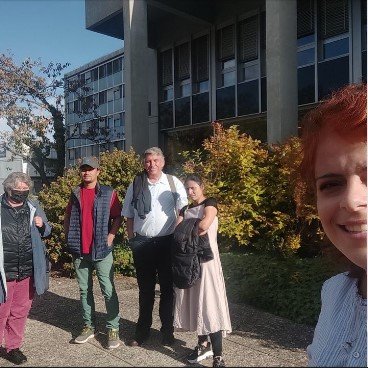
IFOR's Main Representative, Zaira Zafarana, with the visiting guests of the CdP, Sayda Arteaga Guerra and Roviro Lopez Rivera and RIDHI Ramon Munoz in IFOR office.

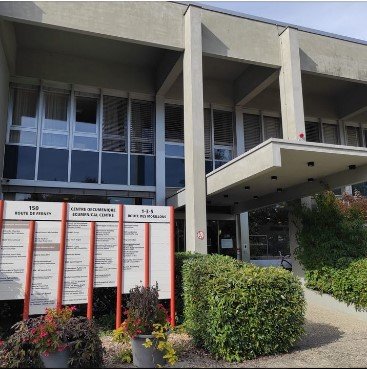
Ecumenical Center in Geneva, headquarter of World Council of Churches, where the IFOR office is located in Geneva

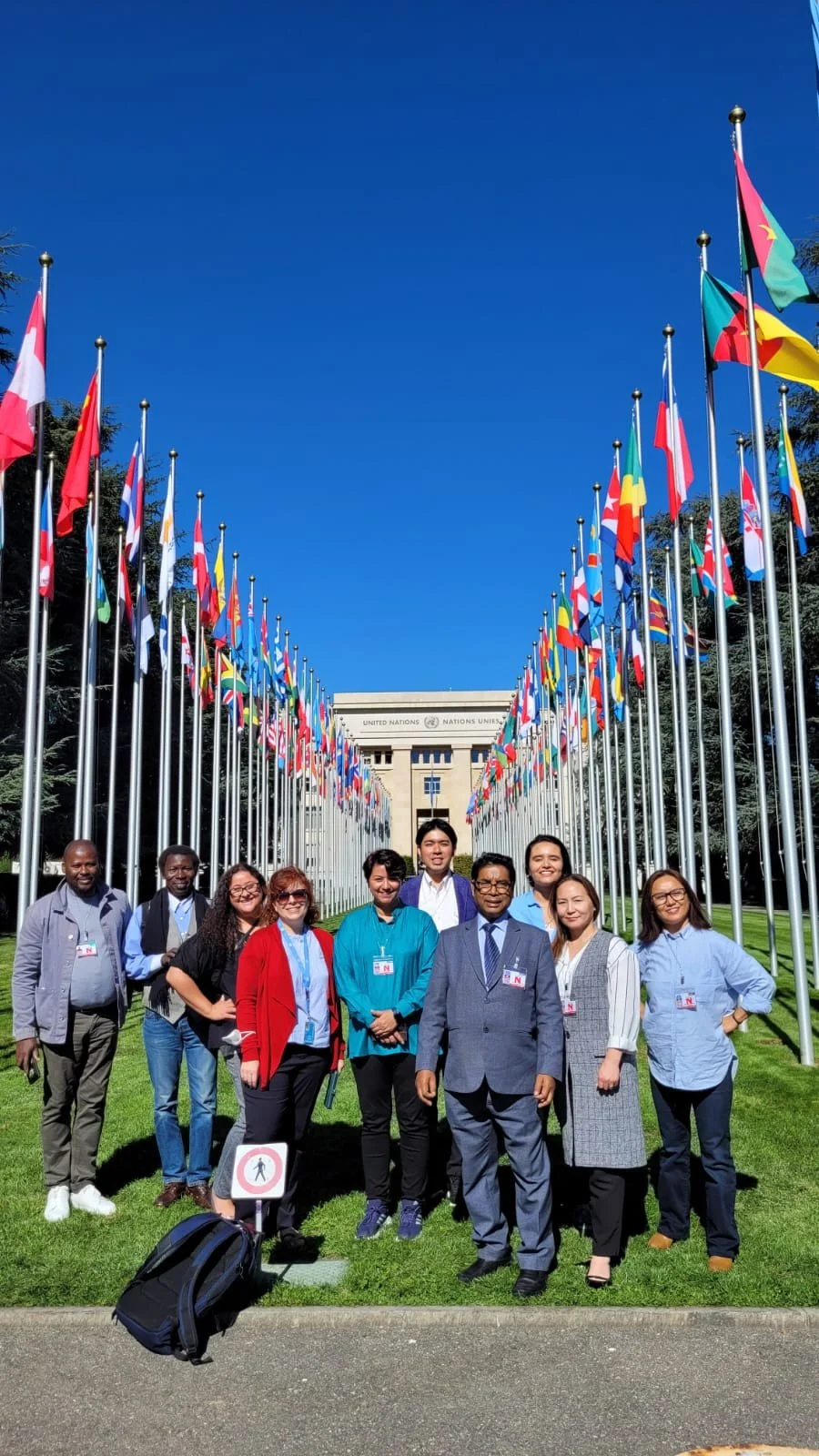
IFOR's guests together with the Main representative of Associazione Comunità Papa Giovanni XXIII at the UN.


#non-violence #droits de l'homme #communauté de paix
Le Mouvement International de la Réconciliation - MIR a eu le privilège d'accueillir dans ses bureaux à Genève le lundi 10 octobre - au Centre Oecuménique - deux représentants de la Comunidad de Paz San José de Apartadó.
Accompagnés de l'ancien directeur de Red Internacional de Derechos Humanos, les invités d'IFOR ont présenté la situation préoccupante à laquelle la Communauté de Paix doit faire face quotidiennement en Colombie.
La réunion a été l'occasion de planifier des actions de solidarité dans la continuité des initiatives soutenues par IFOR.
L'IFOR a également partagé cette opportunité de visite avec d'autres organisations partenaires à Genève, comme l'Associazione Comunità Papa Giovanni XXIII.

Zaira Zafarana, représentante principale d'IFOR, avec les invités du CdP, Sayda Arteaga Guerra et Roviro Lopez Rivera et RIDHI Ramon Munoz dans les bureaux d'IFOR.

Centre oecuménique de Genève, siège du Conseil oecuménique des Eglises, où se trouve le bureau d'IFOR à Genève.

Les invités d'IFOR avec le représentant principal de l'Associazione Comunità Papa Giovanni XXIII à l'ONU.


#noviolencia #DerechosHumanos #ComunidadDePaz
International Fellowship of Reconciliation - IFOR tuvo el privilegio de recibir en su oficina de Ginebra el lunes 10 de octubre -en el Centro Ecuménico- a dos representantes de la Comunidad de Paz San José de Apartadó.
La Comunidad de Paz es una gran práctica de 25 años de resistencia no violenta en un contexto altamente violento.
Acompañados por el ex director de la Red Internacional de Derechos Humanos, los invitados de IFOR expusieron la preocupante situación que la Comunidad de Paz enfrenta cada día en #Colombia.
El encuentro ha sido una oportunidad para seguir planificando acciones de solidaridad en continuidad con las iniciativas de apoyo de IFOR.
IFOR también ha compartido esta oportunidad de visita con otras organizaciones asociadas en Ginebra como la Associazione Comunità Papa Giovanni XXIII.

La Representante Principal de IFOR, Zaira Zafarana, con los invitados de la CdP, Sayda Arteaga Guerra y Roviro Lopez Rivera y RIDHI Ramon Munoz en la oficina de IFOR.

Centro Ecuménico de Ginebra, sede del Consejo Mundial de Iglesias, donde se encuentra la oficina de IFOR en Ginebra

Los invitados de IFOR junto con el representante principal de la Associazione Comunità Papa Giovanni XXIII en la ONU.

Comment

IFOR briefs the UN Human Rights Committee on the right to conscientious objection in Russia.

Comment

IFOR briefs the UN Human Rights Committee on the right to conscientious objection in Russia.

On October 17th the International Fellowship of Reconciliation participated in the formal briefing at the 136th session of the UN Human Rights Committee.

During the ongoing session, after two postponements, the members of the Committee will review the Russian Federation and formulate Concluding Observations.

Members of the Civil Society have been invited to submit reports in advance and to participate in briefing meetings with the Committee to provide useful information.

IFOR took advantage of the 4 minutes speaking opportunity to report on illegal recruitment, cruel treatment of refusers to combat operations in Ukraine, human rights violations of those protesting against the war and other related issues.

Read the complete text of IFOR's statement here, with in-depth notes.

Comment

IFOR speaks at the UN on conscientious objection violations and peacebuilding efforts in Ukraine

Comment

IFOR speaks at the UN on conscientious objection violations and peacebuilding efforts in Ukraine

During the 51st session of the UN Human Rights Council, the Director of Division of the OHCHR gave an oral update on the current situation in Ukraine during the interactive dialogue under item 10.

International Fellowship of Reconciliation participated in the dialogue in the plenary and addressed the violation of the right to conscientious objection to military service in Ukraine, freedom of movement and the alarming forced conscription in the occupied territory and the recent partial mobilization announced in the Russian federation.

IFOR Main representative to the UN, Zaira Zafarana, delivering the statement during the 51st session of the UN HUman Rights Council.

In its statement, IFOR has also expressed its solidarity to the victims and its support to all war resisters -calling for asylum for conscientious objectors who refuse to engage in the war at their personal risk and those who pursue nonviolent means to peace-building. The speech mentioned civil society peace initiatives to support local nonviolent action such as the Stop The War Now launched by Associazione Papa Giovanni XXIII together with many other Italian NGOs, including MIR Italy - Italian branch of IFOR.


Human Rights Council, 51st Session 

4th October 2022 

ID Item 4: Oral update of the High Commissioner on Ukraine 

Oral statement delivered by the International Fellowship of Reconciliation. 

Mr. President,  

International Fellowship of Reconciliation thanks the Office of the High Commissioner for the oral update. We stand in solidarity with the people of Ukraine who are suffering for the ongoing war which is causing tragedies and violations and an inhumane nuclear threat. 

We stand in solidarity with those who courageously refuse to kill and call on the international community to ensure full legal guarantees of their human right to conscientious objection and to provide them protection and asylum1. The right to conscientious objection to military service should be absolutely protected and cannot be restricted, as highlighted in the last OHCHR quadrennial thematic report [presented at the last session].

We are alarmed by the current suspension of the right to conscientious objection in Ukraine, the consequent detention sentences and the travel ban for all men aged 18-60. We have been informed of repression of students protests against the prohibition to study abroad. 

IFOR is also deeply concerned by the forced mobilization in Ukrainian occupied territories and by the new mobilization measures issued by the Russian Federation, which include imprisonment for those who refuse to enlist.  

IFOR gives voice to all those who are non-violently resisting war and acknowledge the efforts of the many who support reconciliation and peace building efforts. For instance, Stop The War Now has just concluded its 4th peace caravan to Ukraine, bringing in humanitarian aid and also support to ongoing local civil society peace initiatives. 

UN Member States should urgently pursue the way to peace negotiations and facilitate such a path, which is within the United Nations purposes. 

Thank you. 


Click here to watch IFOR main representative to deliver the statement at the UN Human Rights Council.

Click here to read the full statement.

Share this post on Social Media!


International peace initiative to support nonviolent action in Ukraine

#STOPTHEWARNOW is a network of over 175 Italian organizations committed to peace building and international solidarity through non-violent peace and humanitarian actions. The network was created to launch a message of solidarity and opposition to the conflict in Ukraine and to build together an alternative to the madness of war. It is coordinated by a steering committee made up of the Pope John XXIII Community, Pro Civitate Christiana and the national networks Focsiv, Aoi, the Italian Peace and Disarmament Network, Libera against mafias, representing all the member associations. At the moment #STOPTHEWARNOW is in Ukraine with two permanent presences, one in Lviv and one in Odessa.
Between 1 and 3 April #STOPTHEWARNOW organized the 1st Peace Caravan, which set off from Italy with representatives of non-violent and pacifist civil society, to witness, through its presence in Lviv, Ukraine, the will to build a dialogue of peace through non-violent actions.
The 4th Peace Caravan was aimed to:
- Laying the foundations for partnership agreements between Italian members of the campaign #StopTheWarNow and Ukrainian civil society organizations (including trade unions) committed to Peace building, conscientious objection and non-violent resistance; possible youth exchanges with universities and Youth Centers;
- Relaunching the campaign of solidarity with conscientious objectors under investigation/protest by the General Prosecutor's Office in Ukraine, such as the journalist Ruslan Kotsaba, accused of high treason for spreading calls to boycott the war.

Learn more about Stop the war now.

-section under update-

Comment

IFOR welcomes you to its "INTRODUCTION TO THE UN" program September 19th -23th 2022

Comment

IFOR welcomes you to its "INTRODUCTION TO THE UN" program September 19th -23th 2022

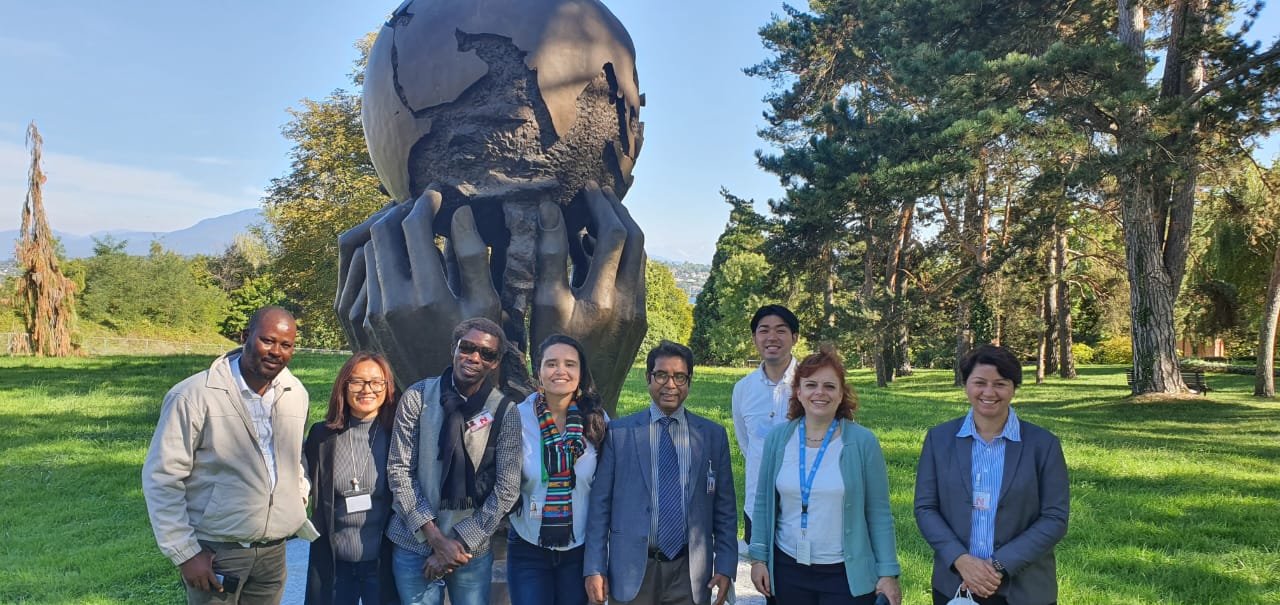
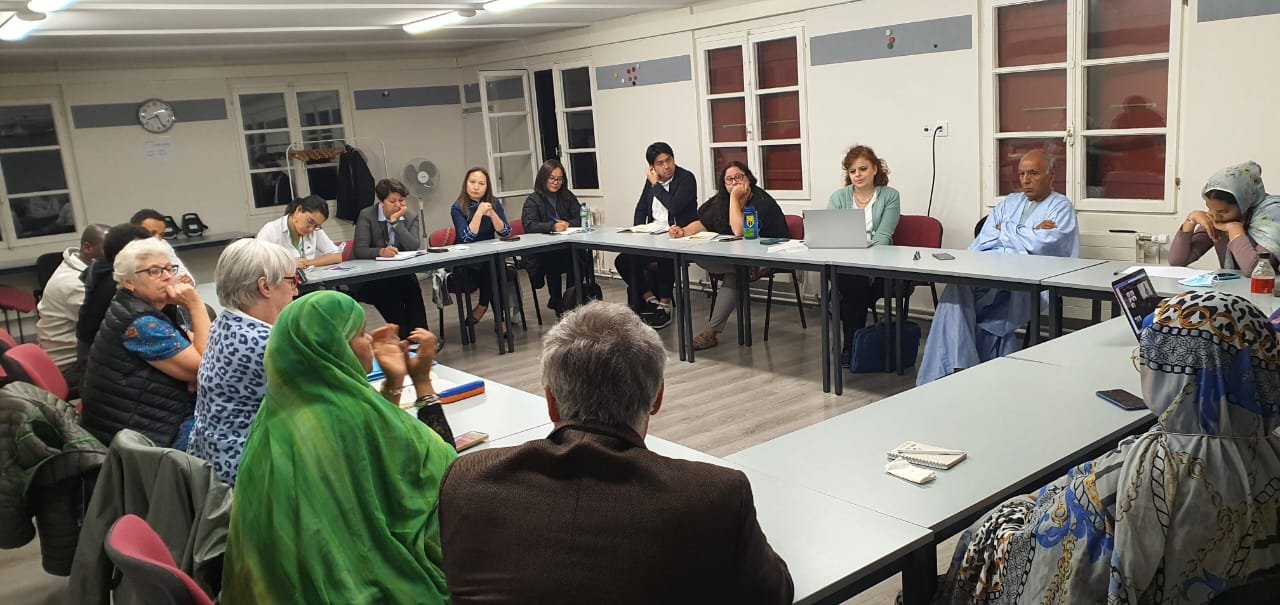
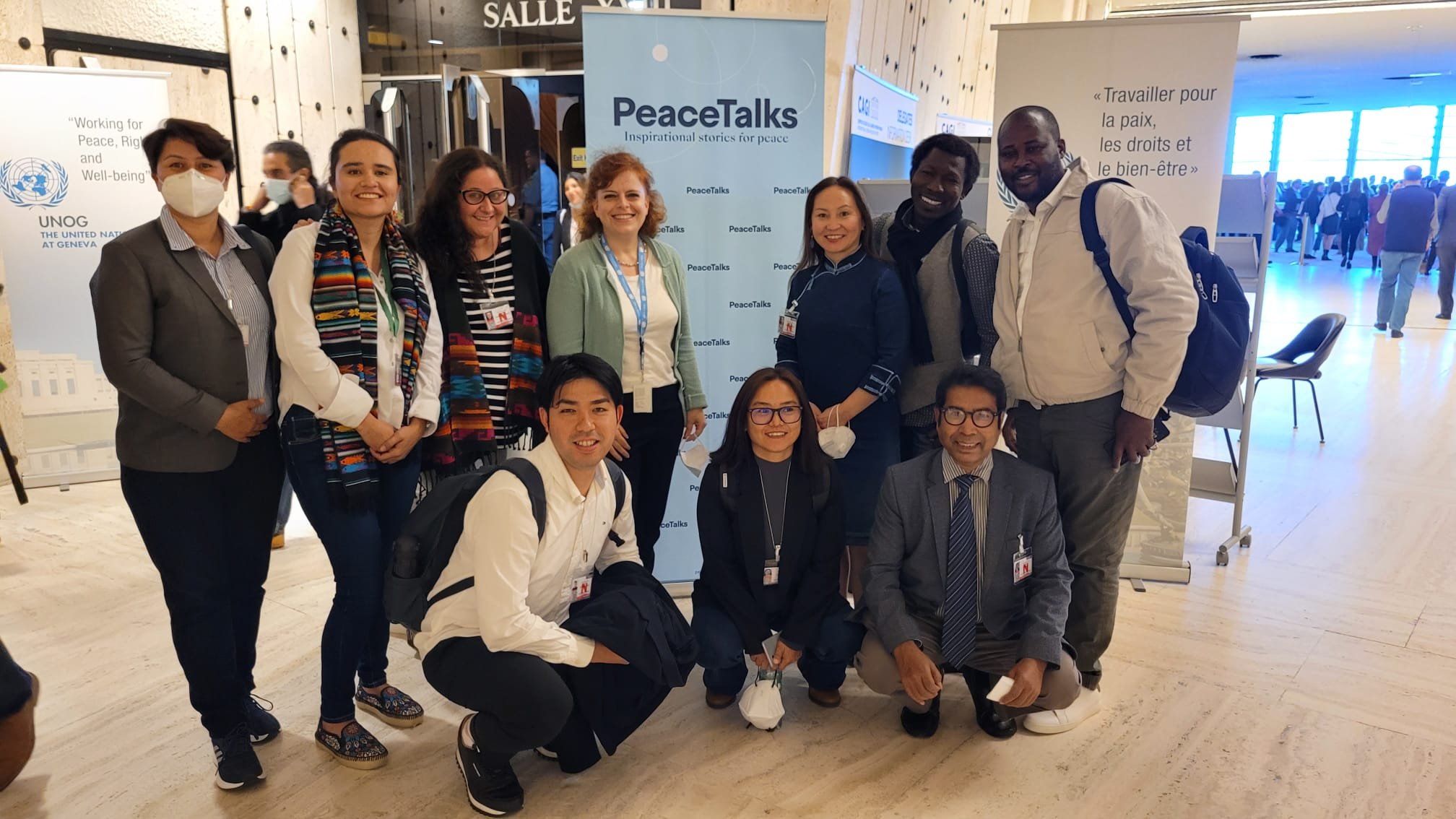
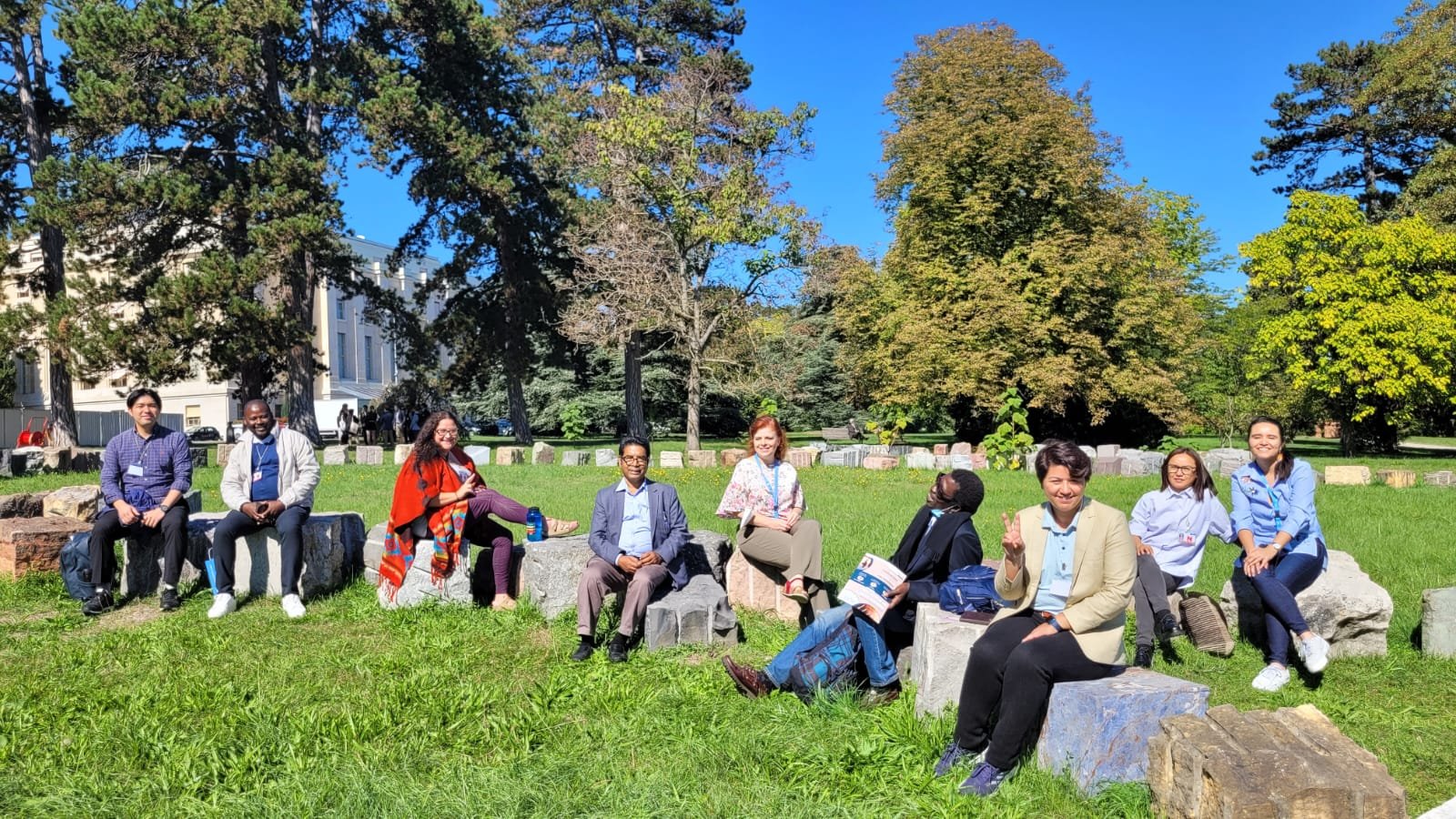
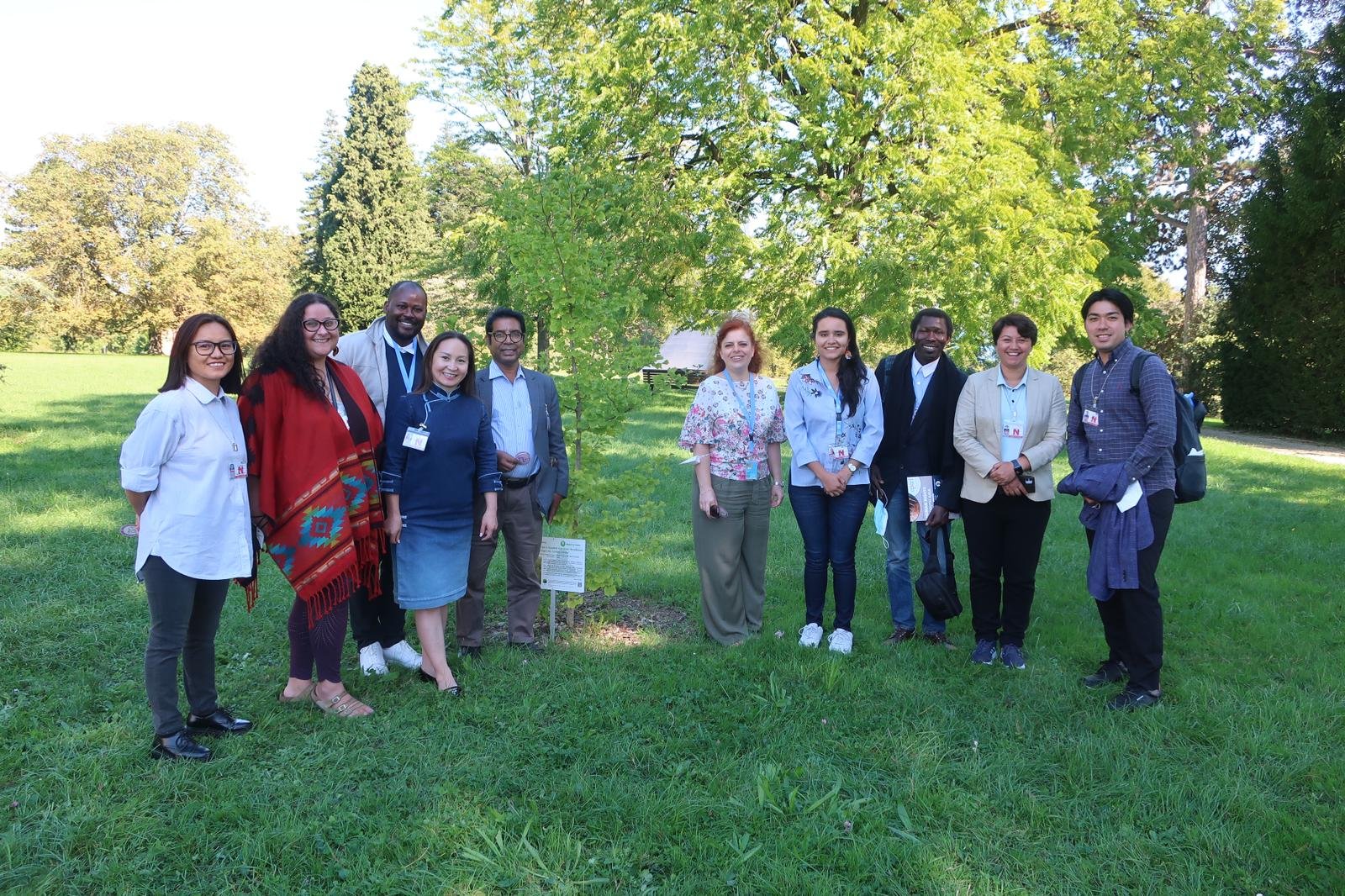
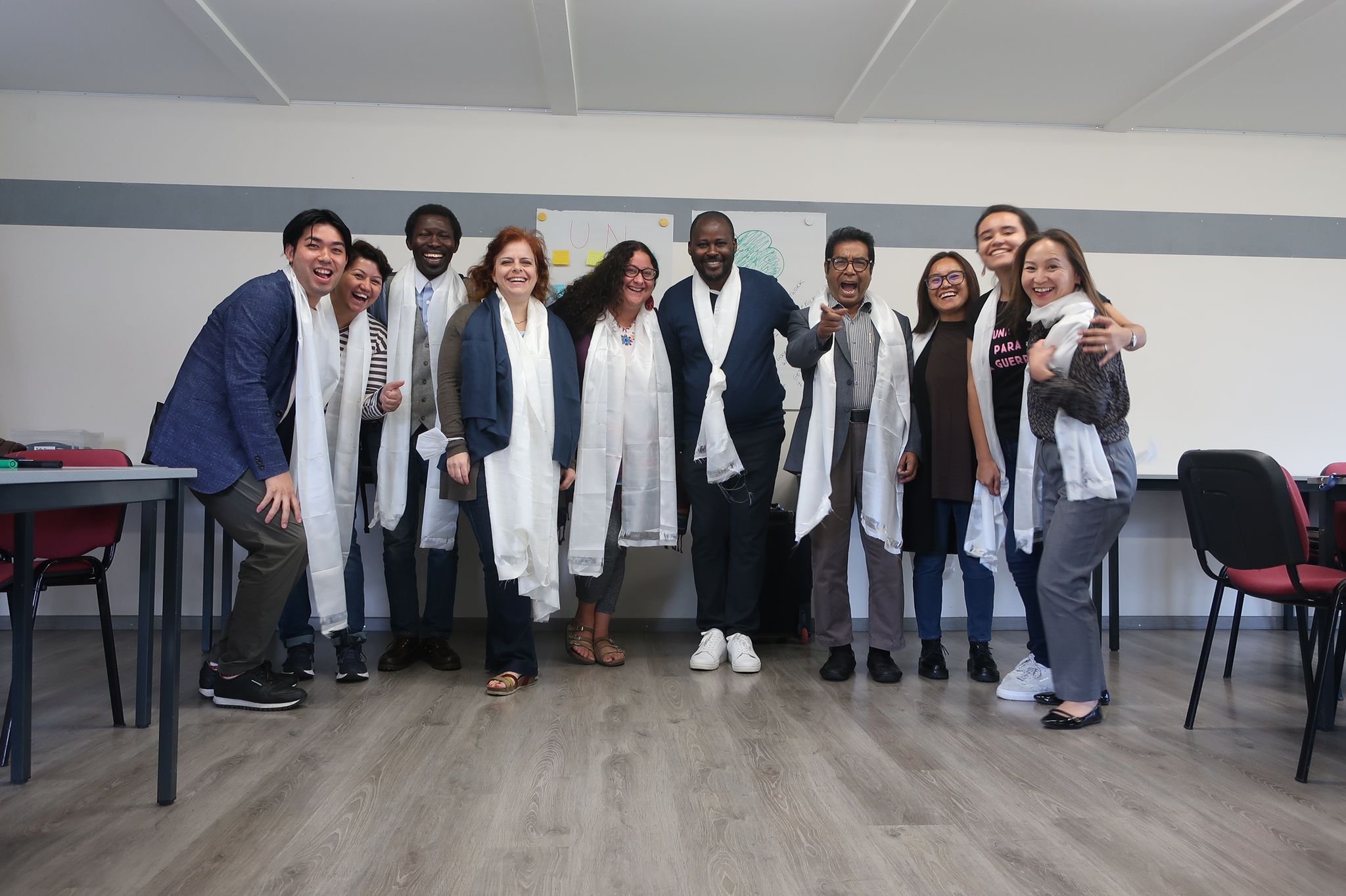
IFOR's 3rd edition of its "Introduction to the UN" program took place on September 19-23 2022.

This year's program was titled "Strengthening civil society engagement within the UN system" and was funded by Otto per Mille of the Waldensian Church of Italy.

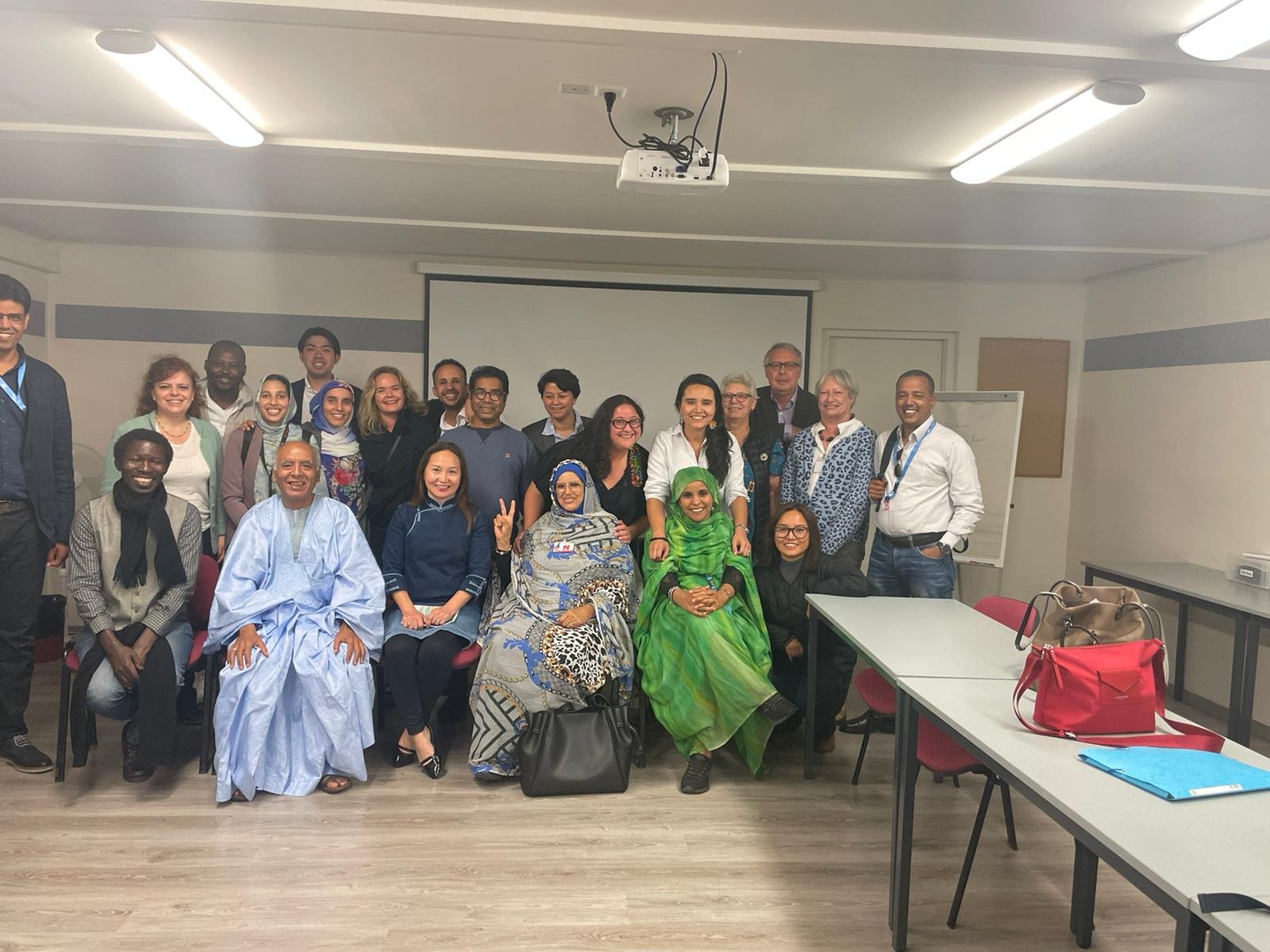
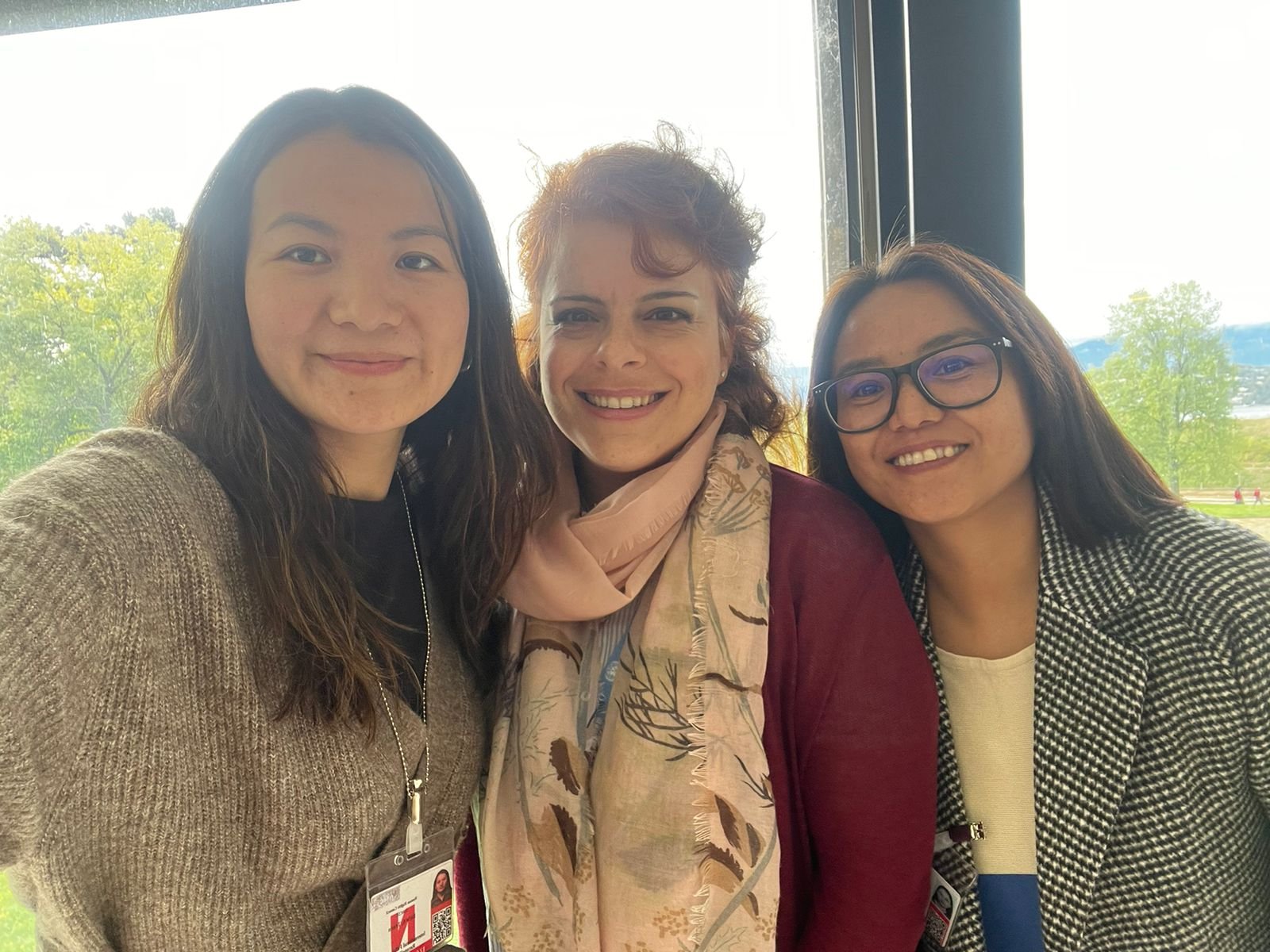
Nine participants from Benin, Colombia, Japan, Mongolia, Nepal, Nigeria, Tibet and USA the opportunity to learn more about the UN system and the precise work IFOR does with particular regard to conscientious objection to military service and other issues such as human rights education, environmental rights, disarmament, decolonization and to meet with partner organizations and human rights defenders. 

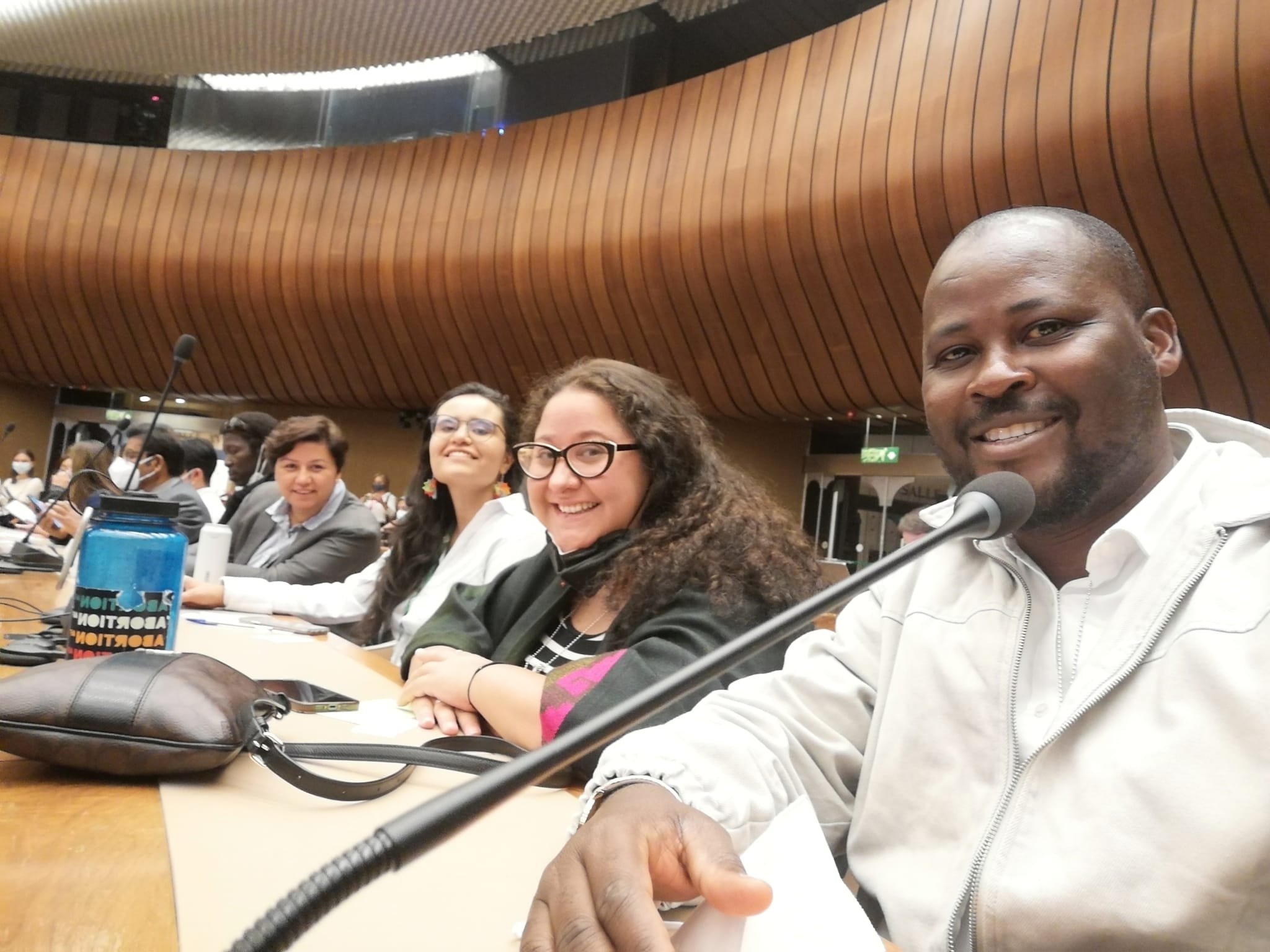
Participants attended the 51st session of the UN Human Rights Council, informal negotiations, side events and thematic workshops on Western Sahara, Tibet . . . and found out more about UN procedures and civil society space. 

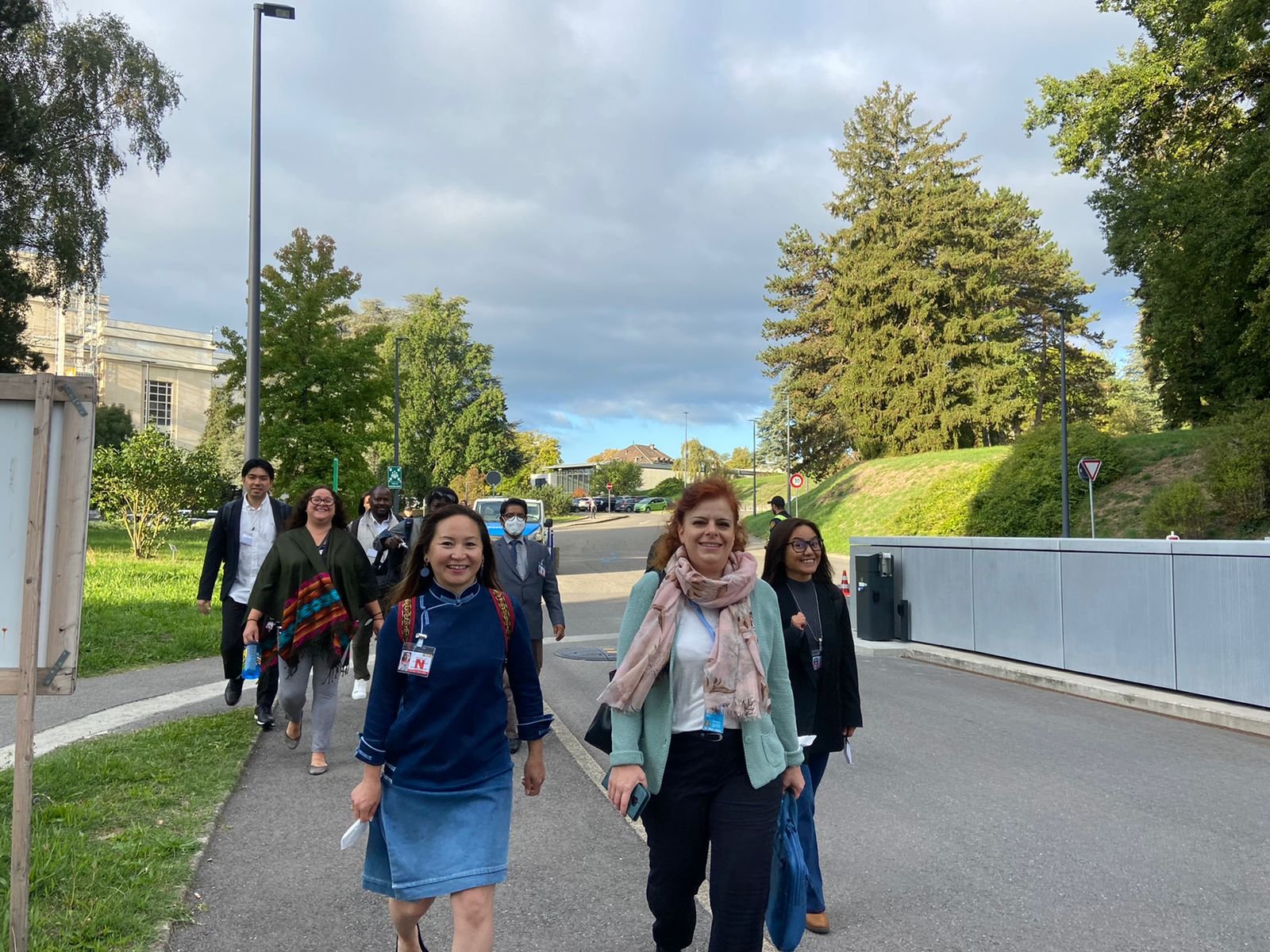
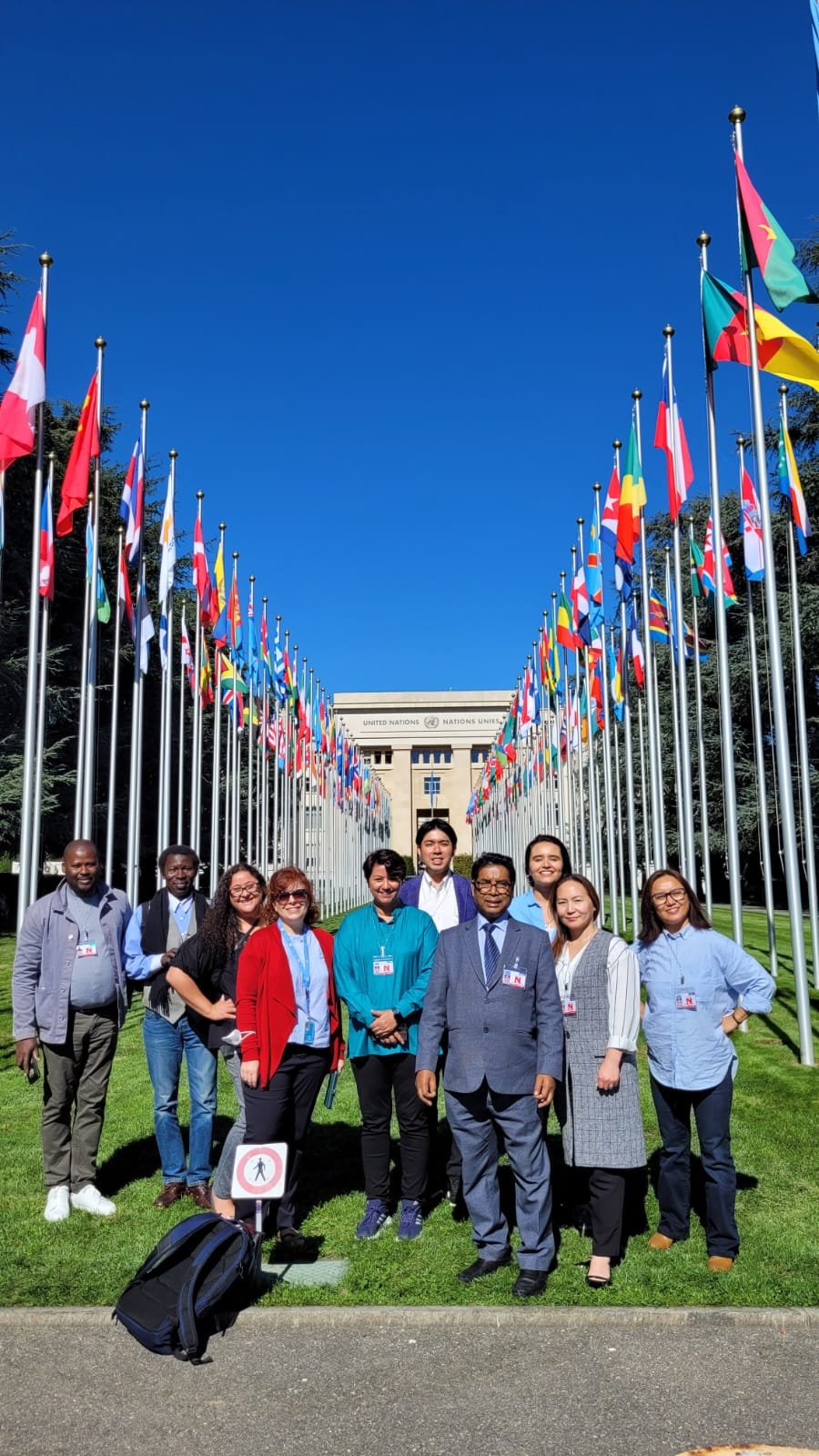
During the week, IFOR’s guests had the chance to visit the Geneva UN headquarters and attend the special event of the Geneva Peace Talks on September 21st where they had the opportunity to listen to human rights defenders and activists from around the globe.


READ ABOUT OUR PARTICIPANTS' FEEDBACK:

“The programme enriched my knowledge and experience hugely. We were introduced to many different aspects of the UN and civil society representations. The programme exceeded my expectations and we look forward to working with IFOR and the relevant diplomats at the UN.” -Uuganaa 

“I am so grateful to have had the opportunity to attend the seminar and to be part of an organization advocating for the right to refuse to kill, and the right of conscientious objection to war. We must build a global movement that is committed to collective liberation.” -Chrissy

“Though I have been to Gener and participated several timers in UN organized programs, I never had the opportunity to see how, debates, lobying and side events are organized, I feel priveledged thiis year through IFOR and the able leadership of Zaira Zafarana who guided us through ther process, It is a worthwhile experience, and I look forward to more of such. Thank you for this opportunity.” -Domino

“IFOR can give us exposure and capacity enhance and pick the Hunan rights issues to the UN for better chnage of Community” -Sirjana

“It was wonderful programme. Got knowledge how work with UN. IFOR should continue this efforts.” -Ruhi

“It is a great opportunity to strengthen international advocacy and the socialization capacities of different organizations that work to promote human rights in the world. It allows to have a close and direct work towards the United Nations System, from the perspective of Civil Society organizations. Personally, it was an opportunity that I am grateful for, and I can affirm that it changed my life, it allowed me to learn about different ways of fighting for human rights, to learn about new realities, and to always think that despite the great distances and cultural differences, the work for the rights of people can be understood as a universal language.” -Laura

“What set this program apart from others was great its focus on practical lessons in that we were able to learn firsthand about the workings of the Human Rights Council session and explore opportunities for advocacy on issues of common concern.” -Tsering


Comment

IFOR speaks at the UN on forced cultural assimilation of Tibetans

Comment

IFOR speaks at the UN on forced cultural assimilation of Tibetans

Tenzing Dawa, TCHRD senior programme officer, delivering the statement on behalf of IFOR.

On September 27th the International Fellowship of Reconciliation took the floor at the UN Human Rights Council during the General debate on the human rights situations that require the Council’s attention.

IFOR addressed the dramatic situation in the Tibetan region highlighting the ongoing violation of cultural rights, freedom of expression, conscience, thought and religion, for instance.


Human Rights Council, 51st Session 

27th September 2022 

GD Item 4: Human rights situations that require the Council’s attention 

Oral statement delivered by the International Fellowship of Reconciliation. 

Madam vice-president,  

The International Fellowship of Reconciliation expresses serious concerns regarding the situation of violation of cultural rights with reference to the intensification of forced cultural assimilation of Tibetans inside Tibet by the Chinese government.  

In recent years, repressive legal and policy measures were introduced to impose Chinese medium education starting from the preschool level. Non-governmental initiatives offering lessons in Tibetan language and culture have been suppressed.  

Sinicization's policies have also resulted in the systematic persecution of Tibetan intellectuals, educators, and cultural leaders; some of those have been victims of incommunicado detention and sentenced in secret without access to do legal process.  

Throughout pandemic lockdowns, the human rights situation in Tibet continues to deteriorate. Unprecedented controls on online communication is resulting in Tibet as an informational black hole.  

Restrictions on the right to freedom of thought, religion and expression continue to escalate. We have registered cases of arbitrary detention and enforced disappearance of Tibetans for merely engaging in peaceful protests.  

We call on this Council and the High Commissioner to address the human rights situation of Tibetans and to work together with China to ensure the protection of their cultural rights: their right to determine their own educational and cultural affairs as provided in the Chinese Constitution as well as the Regional National Autonomy Law and to immediately halt the closure of Tibetan language schools and imposition of Chinese medium education.  

We thank you.


IFOR has submitted, in collaboration with its affiliate Tibetan Centre for Human Rights and Democracy (TCHRD), a written thematic statement to the 51st session of the UN Human Rights Council. This document, titled “Human Rights in Tibet Autonomous Region (TAR), China and Other Tibetan Populated Areas in China ", has been received by the Secretary-General and has been circulated in accordance with Economic and Social Council resolution 1996/31. It is registered officially on the UN website as A/HRC/51/NGO/151 and is available here.

Learn more about TCHRD here and more about their recent activity at the UN, here.

Comment

IFOR calls on the UN to stop the war in Ukraine and restates that the right to conscientious objection cannot be restricted nor suspended.

Comment

IFOR calls on the UN to stop the war in Ukraine and restates that the right to conscientious objection cannot be restricted nor suspended.

Members of the Commission of Inquiry. President E. Mose, Ms. P. De Greiff and Madam j. Dzumhur.

On the occasion of the 51st session of the UN Human Rights Council, as previously decided by the Members States (A/HRC/RES/49/1 and A/HRC/RES/S-34/1) the Independent International Commission of Inquiry on the situation of human rights in Ukraine stemming from the Russian aggression presented its oral update in the plenary.

After the presentation and the following statements by Member States and National Human Rights Institutions, NGOs had the opportunity to take the floor.

IFOR, thus, delivered an oral statement calling on the UN Member States to act to stop the war and save lives and addressed the issue of the violation of the right to conscientious objection to military service, restating its support to all those who refuse to kill.

IFOR recalled as well international standards on the non-derogability of the right to conscientious objection and expressed its concern for the current suspension of this right in Ukraine and its violation in the occupied territories.


Human Rights Council, 51st Session 

23rd September 2022 

Item 4: Interactive dialogue with the International Commission of Inquiry on Ukraine Oral statement delivered by the International Fellowship of Reconciliation. 

Mr. President,  

War should be abolished because it is never a conflict resolution, neither in Ukraine nor in other countries. On the contrary, it brings devastating and dramatic consequences on the people and on the land. 

Excellencies, colleagues, we are here today addressing violations directly connected to the ongoing war. 

The victims are waiting for action. [As we head yesterday during the ID with the SR on Myanmar, concerning another violent conflict, actions speak louder than words.] 

In resolution (A/HRC/S-34/L.1) the Human Rights Council reiterated its demand for an immediate end of military hostilities against Ukraine, and for all parties to the conflict to respect the fundamental principles and rules of international humanitarian law 

We stand in solidarity with the people of Ukraine and mourn with them. We also stand in solidarity with those opposing to war and refusing to kill. 

We have been notified that the Ukrainian Ministry of Defense replied to the Ukrainian Pacifist Movement that "Due to martial law, since 24.02.2022 the temporary military service in Ukraine is no longer implemented. Therefore, the implementation of alternative service is not applicable."

The UN Human Rights Committee has clearly stated that the right to conscientious objection cannot be restricted for reasons of national security.

IFOR is also concerned by the forced mobilization of conscripts in Ukrainian territory controlled by Russian  affiliated armed groups. 

Freedom of thought, conscience and religion is a non-derogable right and, as is freedom of expression, it continues to apply in situations of armed conflict. The right to conscientious objection to military service should be absolutely protected and cannot be restricted, as highlighted by the quadrennial analytical thematic report by OHCHR presented at the 50th session. 

Thank you. 


Click here to watch IFOR main representative to deliver the statement at the UN Human Rights Council.

Click here to read the full statement.

Share this post on social media!


Insights concerning the UN Human Rights Council on the ongoing war in Ukraine


- Resolution adopted by the Human Rights Council on 4 March 2022.

During the 49th session of the UN Human Rights Council, the Council "Decides to urgently establish an independent international commission of inquiry, comprising three human rights experts, to be appointed by the President of the Human Rights Council for an initial duration of one year, complementing, consolidating and building upon the work of the human rights monitoring mission in Ukraine, in close coordination with the human rights monitoring mission in Ukraine and the Office of the United Nations High Commissioner for Human Rights, with the following mandate: (a) To investigate all alleged violations and abuses of human rights and violations of international humanitarian law, and related crimes in the context of the aggression against Ukraine by the Russian Federation, and to establish the facts, circumstances and root causes of any such violations and abuses; (b) To collect, consolidate and analyse evidence of such violations and abuses, including their gender dimension, and to systematically record and preserve all information, documentation and evidence, including interviews, witness testimony and forensic material, consistent with international law standards, in view of any future legal proceedings; (c) To document and verify relevant information and evidence, including through field engagement, and to cooperate with judicial and other entities, as appropriate; A/HRC/RES/49/1 4 (d) To identify, where possible, those individuals and entities responsible for violations or abuses of human rights or violations of international humanitarian law, or other related crimes, in Ukraine, with a view to ensuring that those responsible are held accountable; (e) To make recommendations, in particular on accountability measures, all with a view to ending impunity and ensuring accountability, including, as appropriate, individual criminal responsibility, and access to justice for victims; (f) To provide the Human Rights Council, at its fifty-first session, with an oral update, to be followed by an interactive dialogue, and a comprehensive written report at its fifty-second session, to be followed by an interactive dialogue, and to submit a report to the General Assembly at its seventy-seventh session"

Learn more about Resolution A/HRC/RES/49/1 here.


- Resolution adopted by the Human Rights Council on 12 May 2022

During the Special UN Human Rights Council session held in May 2022 the Council adopted a resolution which says that the UN HRC " Reiterates its demand for the immediate cessation of military hostilities against Ukraine and for all parties to the conflict to respect the fundamental principles and rules of international humanitarian law, including to refrain from any attacks against civilians and civilian objects, and to refrain from any human rights violations and abuses in Ukraine; 2. Stresses the need to refrain from any State-sponsored disinformation, propaganda for war or advocacy of national, racial or religious hatred that constitutes incitement to discrimination, hostility or violence, relating to the aggression against Ukraine; 3. Urges the Russian Federation to provide representatives and staff of international human rights and humanitarian institutions, including United Nations specialized agencies, with unhindered, timely, immediate, unrestricted and safe access to A/HRC/RES/S-34/1 3 persons who have been transferred from conflict-affected areas of Ukraine and are held on the territory of the Russian Federation or areas controlled or occupied by the Russian Federation, and to share with relevant parties a comprehensive list of such transferred persons and their whereabouts; 4. Requests the independent international commission of inquiry on Ukraine to conduct an inquiry, consistent with its mandate and international standards, and in coordination with other national and international mechanisms, to address the events in the areas of the Kyiv, Chernihiv, Kharkiv and Sumy regions in late February and in March 2022, including their gender dimension, with a view to holding those responsible to account, and also requests the commission to brief the Human Rights Council on the progress of that inquiry as part of the oral update to the Council at its fifty-first session, and to include its findings after the completion of the inquiry in its report to the Council at its fifty-second session; 5. Requests the United Nations High Commissioner for Human Rights to present an oral update on the grave human rights and humanitarian situation in Mariupol, including an assessment of the nature and causes of violations or abuses of human rights and of violations of international humanitarian law committed there, to the Human Rights Council at its fiftieth session under item 2, to be followed by an interactive dialogue; 6. Encourages relevant thematic special procedure mandate holders, within their respective mandates, to continue to pay particular attention to the situation of human rights in Ukraine stemming from the Russian aggression, and urges all relevant parties to cooperate with those mandate holders; 7. Decides to remain seized of the matter."

Learn more about Resolution A/HRC/RES/S-34/1 here.

Comment

IFOR addresses the right to conscientious objection to military service at the 51st UN Human Rights Council

Comment

IFOR addresses the right to conscientious objection to military service at the 51st UN Human Rights Council

On September 21st, International Peace Day, IFOR took the floor in the plenary of the 51st session of the UN Human Rights Council in Geneva delivering a statement on the right to conscientious objection to military service.

IFOR acknowledged the quadrennial thematic report presented by the Office of the High Commissioner during the last session of the Council and highlighted concerning issues and including the issue of provisions at wartime not in line with international standards.

IFOR called on the Council to strongly commit and ensure the full implementation of the right to conscientious objection to military service.

As per past practice of the Council, following the presentation of the OHCHR thematic report -which took place during the 50th session-, a resolution on the right to conscientious objection to military service is expected to be adopted during this session of the Council. Ongoing informal negotiations are led by Costa Rica, Croatia and Poland.


Human Rights Council, 51st Session

21 st September 2022

GD Item 3: Promotion and protection of all human rights, civil, political, economic, social and cultural rights Oral statement delivered by the International Fellowship of Reconciliation.

Madam Vice President,

IFOR welcomes the report of the OHCHR on the right to conscientious objection to military service which has been presented to this Council during the last session. This is of benefit to the entire international community and all concerned individuals around the world.

The report highlighted some positive progress as the introduction of legal provisions for alternative service in the Republic of Korea [and consequent reduction of imprisoned local objectors] . It also reported the pivotal UN Human Rights Committee Views concerning the Petromelidis v. Greece case which made outstanding jurisprudence on this right.

There are still concerning issues such as the punitive alternative service which continues to affect many conscientious objectors in several countries.

Unfortunately, there are still some States which do not recognize this human right. Too many objectors continue to be imprisoned or forced to flee their country looking for protection.

As highlighted by the previous SR in His report presented in the 50th session, we are deeply alarmed by the violation of this right in situations of armed conflicts and kindly invite the new Special Rapporteur to continue to monitor such violation. In some countries there are special provisions concerning this right at time of armed conflict [which differs from the regular provisions and] do not comply with international standards; other countries deny this right in case of mobilization.

Freedom of thought, conscience and religion is a non-derogable right and it continues to apply regardless of a situation of armed conflict.

The work of this Council is essential to ensure the full enjoyment of the human right of conscientious objection to military service which is inherent to the right to freedom of thought conscience ad religion.

IFOR calls upon the Member States to strongly commit to the right to freedom of thought, conscience and religion and collaborate to ensure the full implementation of the right to conscientious objection to military service in all countries, [in compliance with the international standards].

Thank you


Comment

"OBJECT WAR CAMPAIGN" LAUNCH : Petition to support Conscientious Objectors and Deserters from Russia, Belarus and Ukraine

Comment

"OBJECT WAR CAMPAIGN" LAUNCH : Petition to support Conscientious Objectors and Deserters from Russia, Belarus and Ukraine

Traducción Española

Traduction française

PRESS RELEASE

21 September 2022

"OBJECT WAR CAMPAIGN" LAUNCH : Petition to support Conscientious Objectors and Deserters from Russia, Belarus and Ukraine

On the occasion of the International Day of Peace, 21st September, Connection e.V., the International Fellowship of Reconciliation, the European Office for Conscientious Objection and War Resisters' International are calling for a signature campaign for deserters and conscientious objectors from Russia, Belarus and Ukraine. The #ObjectWarCampaign calls on all citizens from everywhere to join the global effort to ensure protection and asylum to conscientious objectors and deserters from Russia, Belarus and Ukraine involved in the current war in the region. They are our hope to refuse war and let peace prevail!

On April 6, 2022, the President of the European Council, Charles Michel, had called on Russian soldiers to desert and promised them protection under refugee law. So far, this promise has not been fulfilled. 

Within the scope of #ObjectWarCampaign, a petition has been prepared for everyone to sign in. The petition is addressed to the President of the European Commission Ursula von der Leyen, the President of the European Council Charles Michel and the President of the European Parliament Roberta Metsola. The petition emphasizes the need to uphold the right to asylum to conscientious objectors and deserters from Russia, Belarus and Ukraine by hosting states. The petition launched on the WeMove.eu website can now be signed in German, English, French, Italian and Greek.

There are an estimated 100,000 Russian military draftees and deserters refusing the war of aggression. An estimated 22,000 Belarusian military draftees have left their country because they don’t want to participate in the war in Ukraine. Everyone who has refused service risks several years of prosecution because of their stand against the war. They are hoping for protection in various countries.

Ukraine suspended the right to conscientious objection and closed the border for men between 18 and 60. Over 100,000 men have evaded war involvement in Ukraine and fled abroad. Currently, Ukrainian citizens have temporary residence in the European Union. The #ObjectWarCampaign petition demands that the right to conscientious objection to military service is fully guaranteed in Ukraine.

The petition signatures  are a crucial sign of support for conscientious objectors and deserters. This campaign highlights the importance of opening borders to those who oppose the war at great personal risk in their countries, and calls on everyone around the world to support those who refuse to fight and kill.

Every recruit can be a conscientious objector, every soldier a deserter. Let's support those who refuse to kill and end war together! 

#ObjectWarCampaign
#StandWithObjectors

The launch of the petition has been anticipated by an appeal sent in June 2022, to the European Parliament and the Parliamentary Assembly of the Council of Europe -supported by 60 organizations from 20 countries - detailing why protection and support for deserters and conscientious objectors on all sides of the Ukrainian war is necessary and moreover that it is a human right. There have already been discussions about this in the European Parliament. 

More information: 
The appeal to the European institutions can be found here.
Background information can be found here.

Contact and interview requests:
Zaira Zafarana, International Fellowship of Reconciliation (IFOR), zaira.zafarana@ifor.org, www.ifor.org (English, Italian)
Rudi Friedrich, Connection e.V., +496982375534, office@Connection-eV.org, www.Connection-eV.org (German, English)
Semih Sapmaz, War Resisters’ International (WRI), semih@wri-irg.org, www.wri-irg.org (English,Turkish)
Sam Biesemans, European Bureau for Conscientious Objection (EBCO), +32477268893, ebco.brussels@skynet.be, www.ebco-beoc.org (French, Dutch, Italian, English)

📌 Share more on social media at https://www.facebook.com/InternationalFellowshipofReconciliation/photos/a.1751009778444220/3294203917458124/

📌 SIGN IT! https://you.wemove.eu/campaigns/russia-belarus-ukraine-protection-and-asylum-for-deserters-and-conscientious-objectors-to-military-service

Comment